

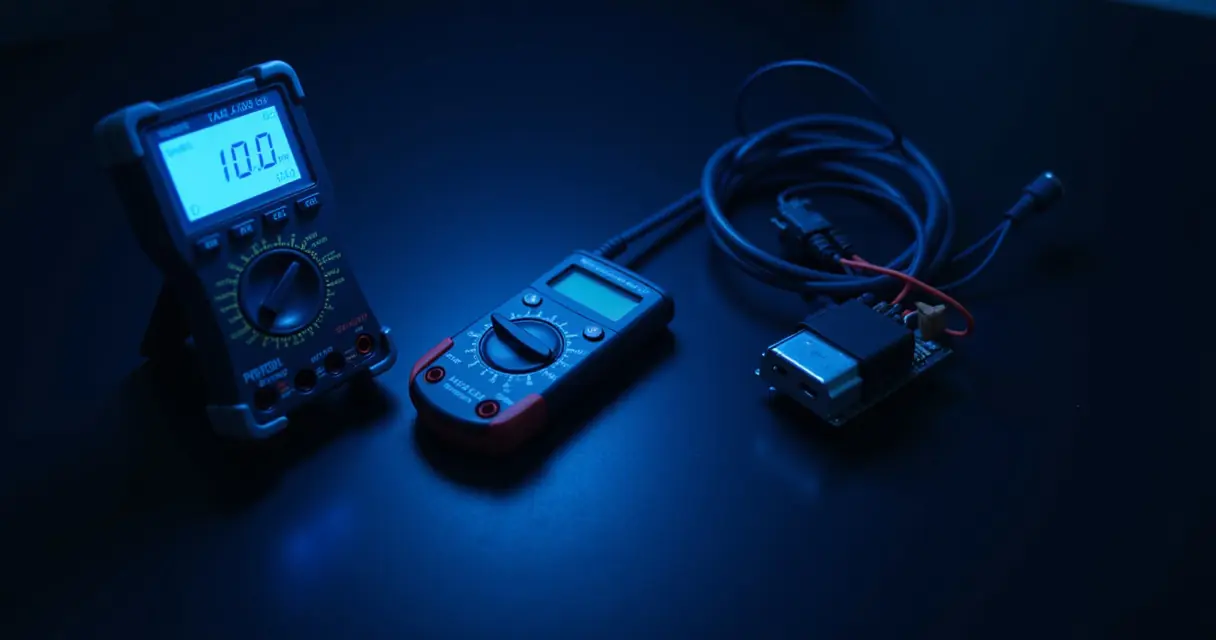
Modern cars run on electronics, and electric and hybrid vehicles are everywhere, so automotive electricians are in high demand. Automotive electrical training can start online, for free, before you spend a dollar on a course or a school.
The old barrier was cost. Formal training used to mean paying a trade school up front, before you ever earned a paycheck in a shop.
That has changed. A free online course lets you learn wiring, circuits, and diagnostics first, then bring that head start into real hands-on training.
This guide is honest about what a free course does. It gives you real foundations and a certificate of completion, not the ASE certification and hands-on experience that employers pay for.
Start a free automotive electrical course
Why automotive electrical training is worth it
The pay is a strong reason. Automotive service technicians earned a median wage of 49,670 dollars per year in May 2024 per the BLS, and electrical and electronic specialists earn above that base.
Electric and hybrid vehicles are the fastest growing part of the trade. Technicians who train for EV and high voltage systems early are positioning for some of the best paid work ahead.
Demand is steady and rising. Every new car adds more electronics, so skilled automotive electricians only get more valuable over time.



Best of all, this career does not require a degree. Most technicians start with a high school diploma and build a career through training, an apprenticeship, or time in a shop.
Where automotive electricians work and which jobs pay most
Automotive electricians work in dealerships, independent shops, EV service centers, and fleets. Electronics touch every system, so the work is everywhere.
Pay climbs with specialty and skill. EV and hybrid high voltage work, advanced diagnostics, and dealer specialization pay above general electrical repair.
This is a specialty of the broader trade. For the general path, start with our automotive mechanic guide.
What an automotive electrician actually does
Automotive electricians diagnose and repair wiring, sensors, batteries, lighting, and the computers that control a modern car. On EVs, they also work with high voltage systems.
Diagnostics is the heart of the job. Reading fault codes with a scanner and tracing an electrical problem to its source is a skill that raises your pay fast.
Types of automotive electrical work
Automotive electrical covers several areas, and each rewards a different focus. Picking one helps you aim your training and your job search.
Diagnostics and wiring
Tracing faults, repairing wiring, and reading vehicle networks is the daily bread of the trade. Strong diagnostics skill raises your pay fast.
EV and hybrid high voltage
Electric and hybrid systems are the fastest growing, best paid corner of the field. They also need specific high voltage safety training.
Accessories and comfort systems
Lighting, audio, sensors, and climate controls all run through electronics. This is a friendly place to build early skill and confidence.
What certification actually requires: ASE electrical
Here is the honest part. A completion certificate proves you studied. The credential employers value is ASE certification in electrical and electronic systems.
A free online course gives theory and a certificate of completion. ASE certification requires passing an exam and having real hands-on work experience. High voltage EV work also needs specific safety training. A free course prepares you, but does not replace these.
Electrical and electronic systems is one of the core ASE specialty areas. You earn it as you gain experience, and it opens the door to EV and hybrid work.
What “free” really covers, and what it does not
Free covers the knowledge. You can learn circuits, wiring, and diagnostics theory without paying anything, and you finish with a certificate that shows initiative.
Free does not cover the hands-on hours, the ASE exams, high voltage safety training, or your tools. Those are separate steps, and it is honest to plan for them.
How online electrical training works, and where it stops
Online training is useful for the knowledge part. You learn how circuits, sensors, and control modules work before you ever touch a live system.
Where it stops is the hands-on work, and safety matters here. No app can teach you to safely probe a live circuit or work around an EV high voltage battery.
So treat the free course as step one of your training. It gets you ready to walk into a shop already knowing the language and the safety rules.
What you need to learn
- Automotive circuits, wiring, and how to read a diagram
- Sensors, control modules, and vehicle networks
- Batteries, charging, and starting systems
- Diagnostics with a scanner and a multimeter
- EV and hybrid high voltage safety basics
- How ASE electrical certification works
Safety every automotive electrician should know
Safety is the part of the job employers care about most, and with electrical work it is critical. Good habits protect you, the vehicle, and the shop.
- Disconnect power and follow lockout steps before you work
- Respect EV high voltage systems and use rated tools and gloves
- Wear eye protection and handle batteries with care
- Never guess on a live circuit, measure first
- Follow OSHA-aligned safety practices at all times
Best free and low cost resources
These are legitimate starting points for automotive electrical training. The ones that lead to a real job are often in person and funded, not a quick online badge.
- Alison: free online automotive and electronics courses with a completion certificate.
- ASE: the certification employers value, including electrical and electronic systems.
- CareerOneStop: find local, WIOA funded hands-on training and apprenticeships.
- Community colleges and dealer or EV maker programs: paid, hands-on training on real vehicles.
Some technicians also add welding and fabrication for brackets, mounts, and custom electrical installs. A free welding course can complement electrical training. See our free welding course guide.
Is electrical training really free? The honest cost breakdown
| Step | Typical cost |
|---|---|
| Online foundations course | Free |
| Hands-on training at a school or college | Paid, unless funded by WIOA or an employer |
| EV high voltage safety training | Paid, often through a program or employer |
| ASE certification exams | Paid, per specialty area |
| Your own tools | Paid, built up over time |
How long it takes to become an automotive electrician
The free online foundations take days to a few weeks at your own pace. That part depends only on how fast you move through the course.
Hands-on training adds more time. A trade program can run several months to two years, while an apprenticeship builds skill over a few years while you earn.
ASE certification also asks for real work experience. You can start today for free, but a paid career is a path, especially for EV work.
The smartest free path: apprenticeship
If you want real training without debt, an apprenticeship or a dealer program is the strongest option. You learn on real vehicles and get paid while you build skill.
You finish with real hours and a clear path to ASE certification. Government workforce programs like WIOA can also fund training if you qualify.
Use the free online course to prepare for the interview and entry test. Walking in with the basics already learned makes you a stronger candidate.
Can an online course replace hands-on training?
No, and any site that says otherwise is selling you something. The classroom part can be online, but the hands-on part cannot, and high voltage work needs real safety training.
Employers hire technicians who can safely diagnose a real vehicle, not people with a printout. Use the free course to prepare, then get hands-on experience and ASE.
Will employers accept your certificate?
As a signal, yes. A completion certificate shows initiative and that you understand the basics before day one.
As a substitute, no. It does not replace the hands-on hours, your tools, or the ASE electrical certification that unlocks better pay.
Red flags to watch out for
- Sites promising “ASE certification in days” fully online
- Courses that charge for a credential they cannot issue
- Pages that never mention hands-on work, tools, or EV safety
- Badges that say “certified” when they only mean “finished the video”
Expanding your skills and pay
Electrical skill pairs well with other high-paid paths. Many technicians also train in diesel or earn more ASE certifications to raise their pay.
For the full picture, see all the free training paths in the high-paying jobs hub and pick the specialty that fits you.
How to move up as an automotive electrician
Moving up is about stacking skills and certifications. You start with wiring and diagnostics, then grow into vehicle networks, advanced electronics, and EV systems.
EV and hybrid skill is the biggest lever right now. As more electric cars hit the road, shops pay a premium for technicians who can safely service high voltage systems.
Each ASE certification you add raises your value, and specialists often become the go-to person in the shop. The free course is step one, but the ceiling for electrical work is high and rising.
Tips to start your automotive electrical career strong
- Finish the free course and save your certificate to show initiative
- Ask shops and dealers about entry roles to get near real vehicles
- Buy a good multimeter and basic tools, then add as you learn
- Aim for ASE electrical certification as soon as you qualify
- Take any EV high voltage safety training you can get
Technicians who treat the early steps seriously move up faster. The free foundations are the easiest first win, so start there and keep building real hours.
What to expect on your first shop job
Your first months are about proving you are reliable and safe. Expect simpler electrical jobs while you learn the shop, its tools, and its scanners.
A good lead technician will check your work and teach you diagnostics as you go. The theory from your free course shows up here right away, so it pays to finish it.
Show up on time, respect high voltage systems, and ask questions. That reputation, plus your first ASE, is what turns a helper role into a real career.
Frequently asked questions
Is there a free automotive electrician course?
Yes. Sites like Alison offer free online automotive and electronics courses with a certificate of completion. Hands-on training and ASE are separate steps.
How much do automotive electricians make?
They fall under automotive service technicians, who earned a median of 49,670 dollars in May 2024 per the BLS. Electrical and EV specialists earn above that.
Do I need special training for EV work?
Yes. EV and hybrid systems use high voltage, so you need specific safety training and rated tools beyond a general electrical course.
Is automotive electrical hard to learn?
It takes focus, but the free course builds the basics step by step. Diagnostics gets easier with practice and the right tools.
How long does the training take?
Online foundations take days to weeks. Hands-on training runs several months to two years, and ASE also asks for work experience.
Can I get this training for free?
The foundations, yes. Hands-on training can also be free through WIOA funding or a paid apprenticeship, if you qualify.
Is EV work really the future of this job?
Yes. Electric and hybrid vehicles are growing fast, and shops need technicians who can safely service high voltage systems. Training now positions you early.
Do I need to be good at math?
You need basic math and clear logic, not advanced math. The free course builds the electrical basics step by step, and practice does the rest.
Will an online course alone get me hired?
It helps as a signal, but most employers want hands-on skill, EV safety training, and progress toward ASE certification.