


Every season, Shein completely refreshes the catalog for its free trial program. What was available in March probably won’t be there in July. And if you don’t understand this cycle, you’ll end up applying for products at the wrong time, competing with thousands of users for the same items, and getting rejections that could have been avoided with a little planning.
Shein’s free products program doesn’t work in a static way. It adjusts to the seasons, commercial dates, and new collection launches. Knowing that rhythm is what separates people who receive one or two products a year from those who get items every month.
How Shein Adjusts the Program by Season
Shein operates on a fast fashion model that rotates inventory aggressively. This is directly reflected in its free trial center: the available products change depending on the time of year, current trends, and market needs in each hemisphere.
During the warm months, the program fills up with lightweight clothing, beach accessories, and open-toe footwear. When the cold arrives, coats, thick sweaters, and boots appear. But the change doesn’t happen overnight. Shein starts introducing next-season products weeks in advance, which means applying at the right moment can make all the difference.
Geography also plays a role. A user in the United States experiences summer when someone in Australia is in the middle of winter. Shein partially segments its catalog by region, although most products in the trial program are available globally. The key is understanding that featured categories vary based on seasonal demand in each area.
Annual Free Trial Program Calendar
Planning your applications ahead of time requires knowing which categories dominate in each period. This calendar summarizes the patterns Shein has consistently followed in its free products program.
| Month | Main Categories | Availability Level |
|---|---|---|
| January | Sportswear, winter basics, accessories | Medium |
| February | Romantic looks, lingerie, party accessories | Medium |
| March | Spring transition, light jackets, dresses | High |
| April | Spring clothing, pastel colors, open-toe footwear | High |
| May | Pre-summer, bikinis, shorts, sunglasses | Very high |
| June | Full summer, swimsuits, sandals | Very high |
| July | Summer, light dresses, beach accessories | High |
| August | Transition, back to school essentials | High |
| September | Pre-fall, jackets, boots, earth tones | Medium-high |
| October | Fall, Halloween, layered clothing | Medium |
| November | Party wear, holiday looks, coats | Very high |
| December | Winter, gifts, party accessories | High |
The months with the highest availability coincide with Shein’s commercial peaks. May-June and November are the periods when the most products appear in the program, which increases your chances of being selected.



Summer: the Season with the Most Variety
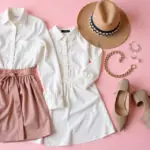
Summer is, without a doubt, the period when Shein’s free trial program offers the largest number of options. The reason is simple: Shein produces more summer items than any other season, and it needs reviews to position those products quickly.
The most frequent items during the warm months include bikinis and one-piece swimsuits, shorts of various lengths and materials, casual and beach dresses, sandals and flip-flops, tops and crop tops, sunglasses and hats. The variety is so wide that it’s possible to apply to multiple categories without competing against the same users in each one. If you want to dive deeper into summer options, check out the complete guide to summer offers on Shein with specific strategies for that season.
When to Start Applying for Summer Products
The most common mistake is waiting until the heat arrives to look for summer clothing in the program. By then, the most popular products have already accumulated hundreds of applications. The ideal window to apply for summer items begins between April and May, when Shein starts loading the summer catalog but demand hasn’t yet reached its peak.
In Southern Hemisphere countries like Argentina or Chile, this logic is reversed. Summer products start appearing between October and November, with the best time to apply between September and October. Shein doesn’t always perfectly adjust its catalog by hemisphere, so it’s worth checking the trial center frequently during transition months.
Summer Trends in the Program
Shein uses the trial program to validate trends before mass production. The styles that tend to appear first include tropical prints, crochet and open-weave fabrics, neon colors, and asymmetric cuts. Applying for these products when they first appear means less competition and the chance to be among the first to review a new item.
Winter: Fewer Options, But More Value per Product
If summer stands out for quantity, winter excels in the per-unit value of products. Winter items available in the program tend to have higher prices than summer ones, which means each successful selection represents greater savings.
The most frequent winter products in the program include coats and jackets of various thicknesses, knit sweaters and pullovers, boots and ankle boots, scarves, beanies and gloves, heavy-fabric pants, and thermal leggings. The guide to free winter clothing on Shein details the best categories for cold climates and how to evaluate the thermal quality of each garment.
Real Quality of Shein Winter Clothing
Acrylic knit sweaters offer acceptable warmth for mild climates, although they don’t match thick cotton or wool. Jackets with synthetic filling work well down to 40-50 °F (5-10 °C) but fall short in extreme cold.
Where Shein competes well is in mid-layers: thermal undershirts, lined leggings, and lightweight vests. These items appear frequently in the program and have higher acceptance rates because they generate less competition than full coats.
Strategy for Warm Climates vs. Cold Climates
Not all users experience a harsh winter. In cities with tropical or subtropical climates, “winter” means more rain than cold. For these users, the best winter options in the program are lightweight waterproof jackets, hooded sweatshirts, and closed-toe water-resistant footwear.
Those living in areas with real winters can aim for padded coats, tall boots, and thermal accessories. The key is to apply between August and September for the Northern Hemisphere, or between March and April for the Southern Hemisphere.
Holidays and Special Events: the Peak Opportunities
Shein’s commercial dates completely transform the trial program. During events like Black Friday, 11.11 (Singles Day), or Shein’s anniversary, the platform significantly expands its catalog of free products. It’s the best time of the year to apply.
| Event | Approximate Date | Impact on the Program |
|---|---|---|
| Shein Anniversary | March-April | Expanded catalog, exclusive products |
| Summer Sale | June | High turnover, many summer options |
| Back to School | August | Backpacks, basics, casual footwear |
| Singles Day (11.11) | November | Highest availability of the year |
| Black Friday | November | Premium products in the program |
| Christmas / New Year | December | Party looks, festive accessories |
During 11.11 and Black Friday, Shein typically doubles or triples the number of products available for trial. Additionally, acceptance rates tend to go up because the platform needs to accumulate reviews before the massive waves of sales.
Party Wear and Special Events
Personal events like graduations, weddings, or holiday dinners require specific looks that also appear in the trial program. Shein typically includes evening and cocktail dresses between September and December, suits and blazers for formal events during graduation season (May-June), and party accessories (clutches, statement jewelry, high heels) throughout the entire fourth quarter.
For those looking for event looks, the guide to free party looks on Shein covers exactly what types of garments appear and how to increase your chances of being selected for higher-value items.
How to Take Advantage of Availability Peaks
The strategy for special dates comes down to three steps: turn on notifications one week before the event, apply for products the same day they appear, and diversify between popular categories and less obvious ones with lower competition.
Shein tends to add products in waves during events, not all at once. Checking the trial center several times a day during Black Friday or 11.11 can reveal items that weren’t available in the morning.
Trends and New Collections in the Program
Shein launches new collections constantly, and the trial program works as its validation lab. Before producing thousands of units of a new design, Shein offers it for free to testers to get real photos, detailed reviews, and data on sizing and perceived quality.
This creates a specific window of opportunity: the first 48-72 hours after a new product appears in the program are the best time to apply. The product hasn’t yet accumulated applications, and Shein prioritizes those who apply quickly because it needs the reviews urgently. The 2026 trends available for free on Shein show which styles are dominating the new collections this year.
Applying When a Collection Is New vs. When It Already Has Reviews
New products without reviews offer a higher probability of acceptance per application. Products with few reviews (1-5) confirm that Shein is actively accepting testers, which reduces the risk of applying for a product that will never be approved.
The best tactic combines both approaches: apply to 2-3 new products without reviews and to 1-2 products with few recent reviews. The new season collections guide explains how to identify which products are genuinely new and which are re-releases from previous seasons.
Annual Planning to Maximize Products Received
The people who receive the most free products from Shein aren’t those who apply the most, but those who apply the smartest. Annual planning transforms the program from a lottery into a predictable system where every month has a defined strategy.
| Period | Main Strategy | Priority Categories | Competition Level |
|---|---|---|---|
| January – February | Apply for basics and sportswear | Activewear, accessories, lingerie | Low |
| March – April | Transition: capture early spring | Dresses, light jackets, footwear | Medium |
| May – June | Maximum summer activity | Bikinis, shorts, sandals, sunglasses | High |
| July – August | Continue summer + pre-fall | Casual, back to school, transition | Medium |
| September – October | Get ahead on winter and holidays | Coats, boots, fall looks | Medium-low |
| November – December | Leverage peaks (11.11, BF, Christmas) | Party, premium, gifts, winter | High, but lots of supply |
Common Planning Mistakes
The most costly mistake is only applying for products from the current season. When everyone is looking for bikinis in June, the competition is fierce. Applying for products from the upcoming season (pre-fall in July, pre-summer in April) drastically reduces competition because few users think that far ahead.
Another common mistake is abandoning the program during the low-activity months (January-February). These months have fewer products available, but also fewer users applying. The acceptance rate per application can actually be higher than during peak months, making them a quiet opportunity.
The Ideal Monthly Cycle
First week: browse new products and apply for the most relevant ones. Second week: evaluate pending applications and apply to secondary categories. Third week: check next-season products that are starting to appear. Fourth week: publish reviews of received products, since the quality of past reviews directly influences future approvals.
Differences by Hemisphere
Shein’s trial program is global, but the experience varies depending on your location. The most notable differences appear between Northern Hemisphere users and Southern Hemisphere users.
| Aspect | Northern Hemisphere | Southern Hemisphere |
|---|---|---|
| Summer | June – August | December – February |
| Best month for bikinis | May | November |
| Coats available | September – November | March – May |
| Peak availability | May + November | November (coincides with N. Hemisphere) |
| Low-activity months | January – February | June – July |
November is the strongest month for both hemispheres. Global commercial events (11.11, Black Friday) create peaks that benefit all users regardless of their location.
For users in tropical climates without distinct seasons, the best strategy is to focus on climate-independent categories: accessories, underwear, casual footwear, bags, and jewelry. These maintain stable availability throughout the entire year.
How to Build a Strong Tester Profile
The program’s seasonality only benefits those who already have a solid profile. Shein evaluates each application considering the quality of previous reviews, frequency of participation, and how relevant the profile is to the requested product.
An optimized profile includes reviews with real photos, detailed comments about sizing and fit, consistent participation, and a history free of generic reviews. Combining a strong profile with seasonal planning can multiply the number of products received in a year by three or four times.
Frequently Asked Questions
How many free products can you receive from Shein per month?
There is no official limit published by Shein. However, most active testers report receiving between 2 and 5 products per month. During high-availability months like November, some experienced users have received up to 8 products.
Does Shein send winter products to tropical countries?
Yes. The program is global and doesn’t filter by local climate. A user in a tropical area can receive a coat if they apply and are selected, although it’s best to prioritize categories you’ll actually use to maintain a coherent profile.
Do seasonal offers change the quality of free products?
The base quality of products doesn’t vary by season. What does change is the price range: during events like Black Friday, Shein tends to include higher-value products in the program, which can translate to garments with better finishes or materials.
Is it better to apply for many products or a select few?
The selective strategy works better in the long run. Applying for products that truly match the tester’s profile and will generate genuine reviews produces better results than mass-applying to everything available. Shein values profile consistency.
How far in advance before a season should you start applying?
Ideally, you should start between 4 and 6 weeks before the target season begins. This allows you to capture the first products from the new collection when competition is still low.
Are Shein trial products the same in every country?
The trial program catalog is mostly global, although minor variations may exist. The products available tend to be the same across countries, but shipping times and the availability of certain sizes may differ.
What happens if you don’t publish the review of a received product?
Not publishing the review within the established deadline negatively affects the tester’s profile. Shein may reduce approval odds for future applications or even temporarily suspend access to the program. It’s always best to publish the review as soon as possible after receiving the product.
Can you combine free trials with seasonal coupons or discounts?
No. Products from the trial program are completely free and don’t require coupons. However, actively participating in the program during discount seasons allows you to access higher-value products that wouldn’t normally be available for trial.